Scleroderma Treatment in Faisalabad
Medically reviewed by Dr. Naseem Arshad, Consultant Rheumatologist (FCPS Rheumatology) · Last reviewed: July 1, 2026
Scleroderma is an autoimmune disease that causes hardening and tightening of the skin and can affect the blood vessels and internal organs. Early specialist care makes a real difference. Dr. Naseem Arshad is a consultant rheumatologist in Faisalabad who diagnoses and manages scleroderma.
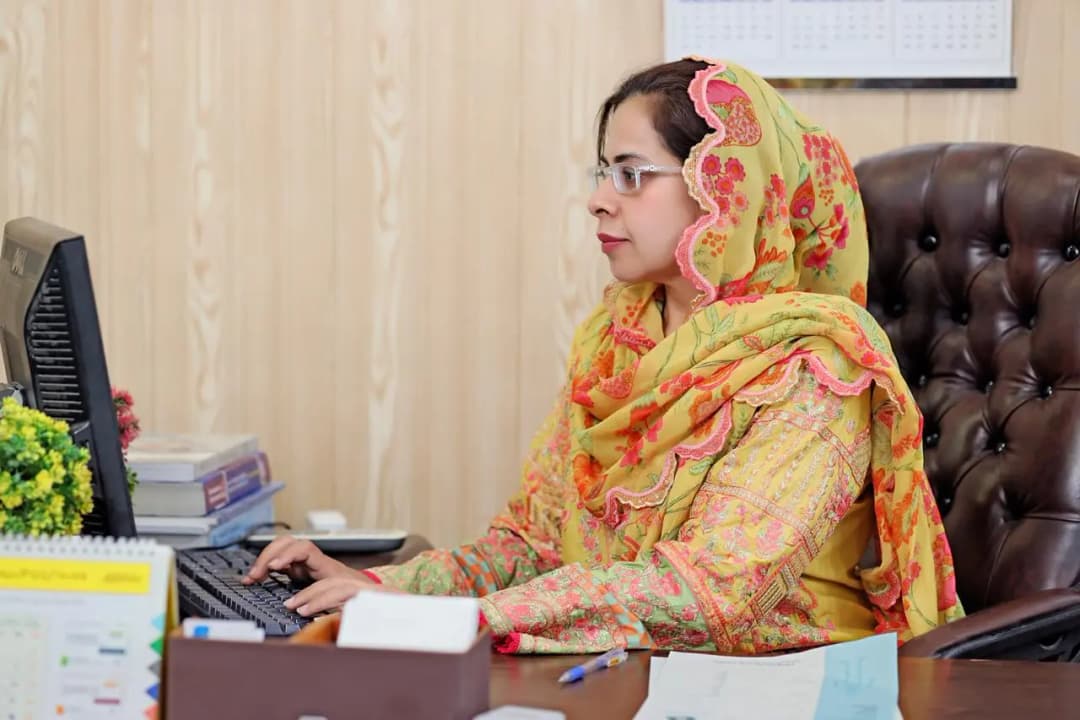
What is scleroderma?
Scleroderma is an autoimmune connective tissue disease in which the body produces too much collagen, leading to hardening and tightening of the skin. In some people it also affects the blood vessels, joints and internal organs such as the lungs, digestive system and kidneys.
Scleroderma varies widely from person to person. Some people have a milder form affecting mainly the skin, while others have more widespread disease. Because it can involve internal organs, it is best managed by a rheumatologist who can monitor the whole body.
Common symptoms
The symptoms of scleroderma depend on which parts of the body are affected, but often include:
• Tight, hardened or thickened skin, especially on the fingers and hands • Raynaud's phenomenon — fingers turning white or blue in the cold • Swollen or painful joints • Digestive problems such as heartburn or difficulty swallowing • In more serious cases, breathlessness from lung involvement
Raynaud's phenomenon and skin tightening are often the earliest clues that lead to a diagnosis.
Diagnosis and treatment in Faisalabad
Dr. Naseem Arshad diagnoses scleroderma through examination combined with blood tests (including specific antibodies) and, where needed, tests to check the lungs, heart and other organs. Ongoing monitoring is an important part of care, so that any organ involvement is picked up early.
There is no single cure, but treatment can control symptoms and protect the organs:
• Medicines to improve blood flow and manage Raynaud's phenomenon • Treatment to protect the digestive system and other affected organs • Immunosuppressive medicines for more active disease • Regular monitoring of the lungs, heart and kidneys
With careful specialist management, many people with scleroderma keep their symptoms under control and protect their organs.
Why choose Dr. Naseem Arshad?
- Consultant Rheumatologist — MBBS, FCPS Medicine, FCPS Rheumatology, with over 15 years of experience.
- 5.0 star rating from patients across Faisalabad — no need to travel to Lahore.
- Convenient location — Chughtai Medical Center, 571-B Satayana Road, Saleemi Chawlk, Faisalabad.
- Modern, evidence-based care — including the latest DMARDs and biologic therapies.
Frequently asked questions
Which doctor treats scleroderma in Faisalabad?
Scleroderma is managed by a rheumatologist. Dr. Naseem Arshad is a consultant rheumatologist (FCPS Rheumatology) at Chughtai Medical Center, 571-B Satayana Road, Saleemi Chawlk, Faisalabad. Call 0329-6528780 to book an appointment.
Is scleroderma curable?
There is no permanent cure for scleroderma, but its symptoms can be managed effectively and the organs protected. Early diagnosis and regular monitoring by a rheumatologist give the best outcomes.
What is Raynaud's phenomenon?
Raynaud's phenomenon is when the fingers (and sometimes toes) turn white or blue in response to cold or stress, due to narrowing of small blood vessels. It is a common early feature of scleroderma and can be managed with treatment.
Does scleroderma affect internal organs?
It can. In some people scleroderma affects the lungs, digestive system, heart or kidneys as well as the skin. This is why regular monitoring by a rheumatologist is important, so any organ involvement is detected and treated early.
What are the early signs of scleroderma?
Early signs often include tight or thickened skin on the fingers and Raynaud's phenomenon (fingers changing colour in the cold). If you notice these, it is worth being assessed by a rheumatologist.
Medical disclaimer: This page is for general information only and is not a substitute for professional medical advice, diagnosis or treatment. Always consult Dr. Naseem Arshad or a qualified healthcare provider about your individual condition.